Where Is Serengeti National Park Located?
November 20, 2026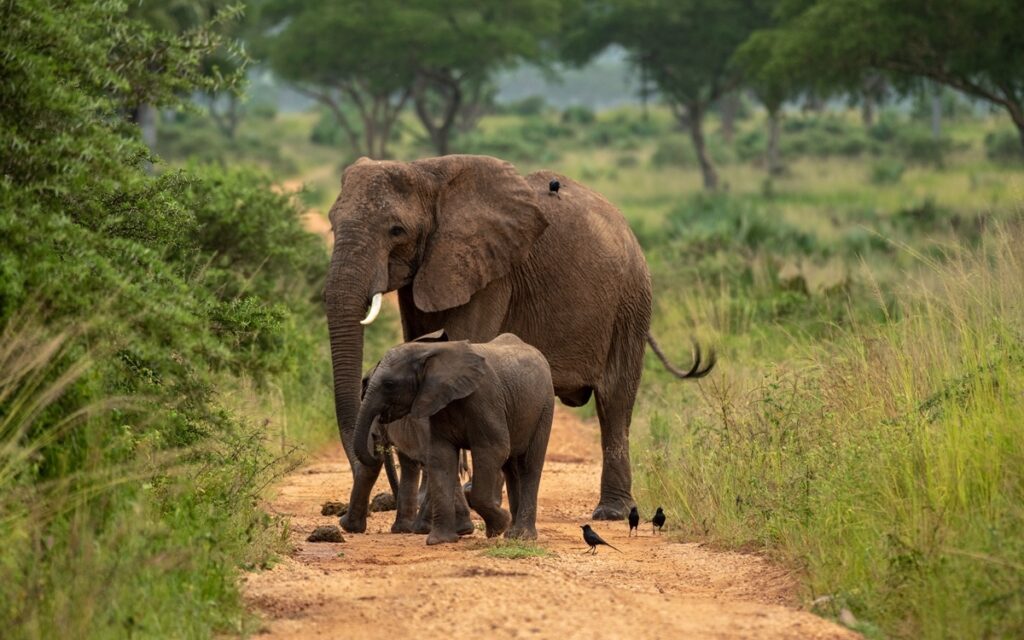
Why Is Serengeti National Park Famous?
Discover Tanzania’s Great Wildlife Destination
Why Is Serengeti National Park Famous? Located in northern Tanzania, Serengeti National Park has earned worldwide recognition for its extraordinary wildlife, endless savannah plains and the spectacular Great Wildlife Migration. This remarkable wilderness attracts travellers, photographers and nature enthusiasts who want to experience some of Africa’s finest wildlife encounters. From enormous wildebeest herds moving across open grasslands to lions resting beneath acacia trees, the park offers an authentic African safari experience.
Serengeti National Park covers approximately 14,763 square kilometres and forms part of the wider Serengeti–Mara ecosystem, which extends into Kenya’s Maasai Mara. Its diverse habitats support large populations of mammals, birds and reptiles. Furthermore, the park provides important breeding grounds, grazing areas and migration routes for wildlife throughout the year.
A Serengeti Safari offers much more than the chance to see famous animals. Visitors can enjoy guided game drives, hot-air balloon adventures, wildlife photography and cultural experiences with communities around the region. Whether you are planning luxury Tanzania Wildlife Safaris, a private adventure or a Serengeti Family Safari, this destination offers a remarkable variety of experiences.
At Ovacado Adventures Africa Ltd, we help travellers explore Tanzania through carefully planned safari journeys, experienced guides and personalised arrangements. Understanding what makes Serengeti famous helps you appreciate why it remains one of Africa’s most celebrated wildlife destinations.
The Great Serengeti Migration
Witness Millions of Animals Moving Across the Plains
The Great Wildlife Migration is the main reason Serengeti National Park attracts international attention. Every year, approximately 1.5 million wildebeest, accompanied by hundreds of thousands of zebras and gazelles, move through the Serengeti–Mara ecosystem in search of fresh grazing and water.
This natural movement follows seasonal rainfall rather than a fixed timetable. During January, February and parts of March, large herds gather around the southern Serengeti and Ndutu plains for the calving season. As the grass becomes less nutritious, the animals gradually move west and north.
Later in the year, northern Serengeti offers opportunities to observe herds approaching the Mara River. Some animals cross the river in dramatic scenes involving strong currents and Nile crocodiles. However, crossings depend on weather, water levels and animal behaviour, so no safari operator can guarantee a crossing on a particular day.
For travellers planning Serengeti Wildlife Safaris, selecting the right region and travel season greatly improves the experience.
Spectacular Mara and Grumeti River Crossings
Dramatic Moments in the Wildlife Migration
River crossings provide some of the most exciting moments of the Serengeti Great Migration. The Mara River in northern Serengeti and the Grumeti River in the western corridor form important obstacles along the herds’ seasonal routes.
Wildebeest often gather along riverbanks before attempting to cross. Large groups may hesitate for long periods before one animal enters the water, sometimes triggering a mass movement. Meanwhile, Nile crocodiles wait in the river, creating a natural challenge for migrating animals.
These encounters offer remarkable photographic opportunities, although the timing remains unpredictable. Travellers interested in river crossings should plan several days in the relevant migration region rather than depend on a single game drive.
Home to the African Big Five
Discover Lions, Leopards, Elephants, Buffaloes and Rhinos
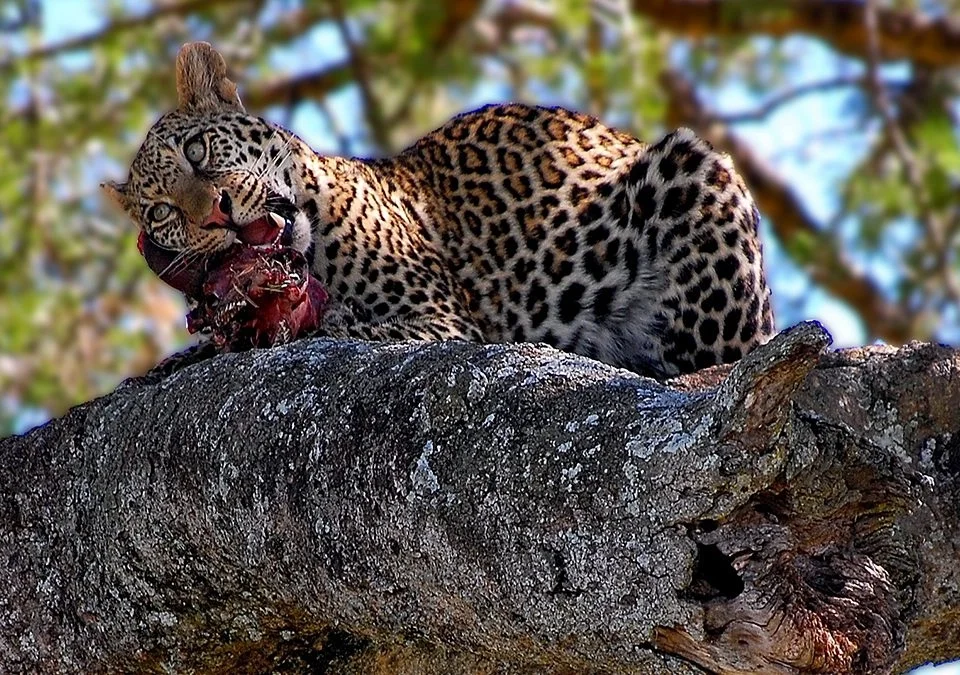
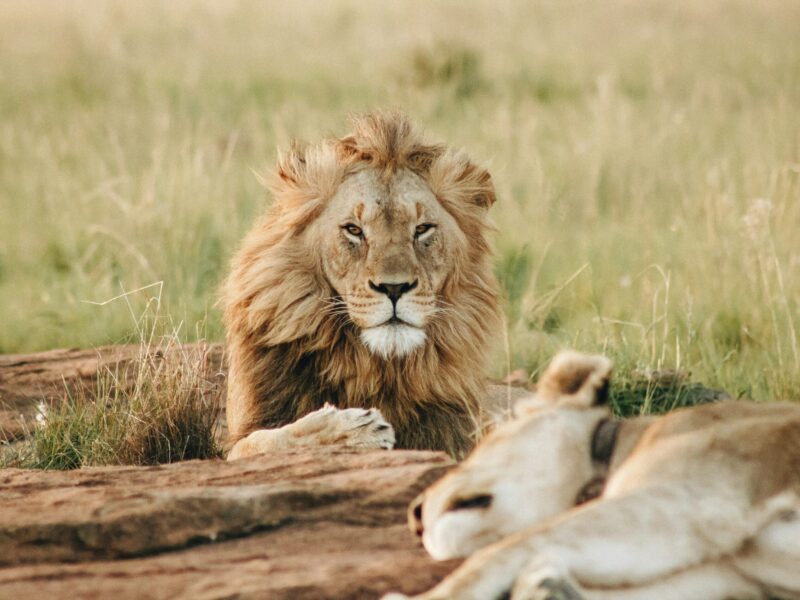
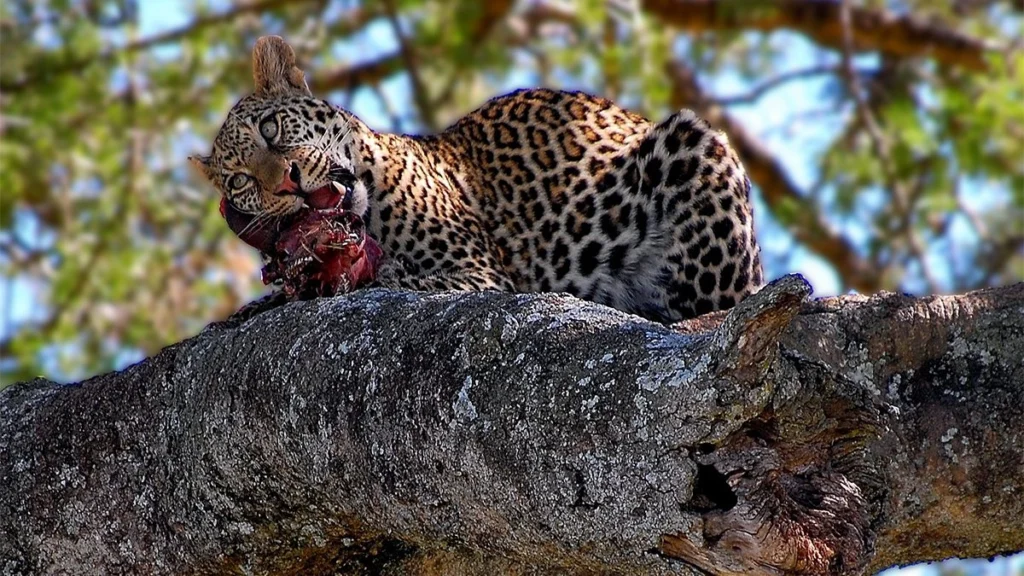
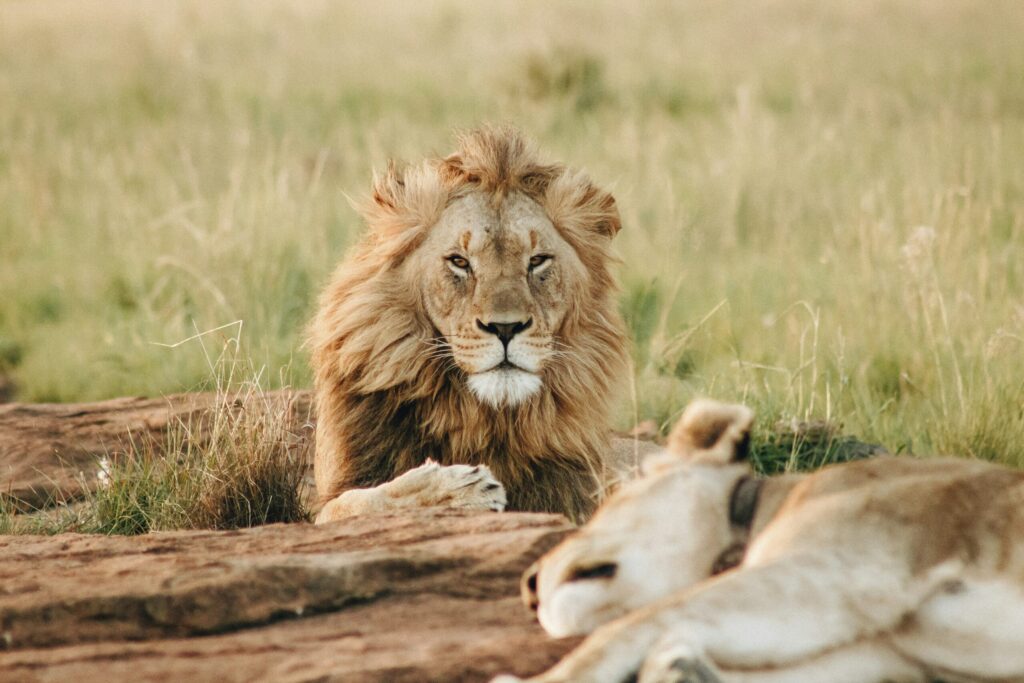
Serengeti National Park supports an impressive variety of wildlife, including all members of the African Big Five. Lions frequently rest around rocky kopjes and open grasslands, while leopards prefer more concealed habitats near riverine woodland.
African elephants move across woodland and savannah in search of food and water. Cape buffaloes often gather in large herds, while black rhinoceroses inhabit protected areas where careful observation and conservation efforts remain essential.
Although visitors have opportunities to encounter the Big Five, sightings vary according to location, season and natural conditions. Black rhinos, in particular, remain difficult to spot. A knowledgeable guide can help visitors explore suitable wildlife areas while respecting animal behaviour and park regulations.
Exceptional Lion and Predator Viewing
Experience the Drama of the African Savannah
The Serengeti is famous for its large lion population and remarkable predator activity. Lions often gather in prides, rest beneath trees during hot afternoons and become more active during cooler morning and evening hours.
Cheetahs use open plains to search for prey, making the southern grasslands and other open habitats interesting areas for wildlife viewing. Leopards, on the other hand, often hide in trees or dense vegetation, where patience and a trained eye help reveal their presence.
Spotted hyenas also play an important role in the ecosystem. They hunt, scavenge and compete with other predators, contributing to the natural balance of the savannah.
During Serengeti Guided Game Drives, visitors can learn about predator behaviour, hunting strategies and the relationships between different species. These encounters make every safari more educational and rewarding.
The Famous Wildebeest Calving Season
Discover New Life in Southern Serengeti
The southern Serengeti and Ndutu plains become important wildlife areas during the calving season, usually from January to March. During this period, large numbers of wildebeest give birth, often within a relatively short period.
The fresh grass and open terrain provide suitable conditions for mothers and their newborn calves. At the same time, the concentration of young animals attracts predators such as lions, cheetahs, leopards and hyenas.
Calving season offers a different experience from the northern river crossings. Instead of focusing on dramatic river movements, visitors can observe newborn animals, maternal behaviour and predator activity across the plains.
For photographers and wildlife enthusiasts, this season provides excellent opportunities to study animal behaviour. However, visitors should maintain a respectful distance and allow wildlife to move naturally.
Iconic Savannah Landscapes and Granite Kopjes
Explore the Natural Beauty of Serengeti
The landscapes of Serengeti National Park contribute greatly to its worldwide reputation. Vast grasslands stretch towards the horizon, while scattered acacia trees create the classic African safari setting.
Granite rock formations known as kopjes rise above the plains. These rocky outcrops provide resting places and lookout points for lions, leopards and other animals. Some kopjes also support smaller wildlife and specialised plant life.
Central Serengeti, particularly the Seronera Valley, features river systems and productive habitats that attract wildlife throughout the year. Meanwhile, northern Serengeti offers rolling landscapes and riverine vegetation around the Mara River.
Sunrise and sunset create beautiful lighting conditions for photography. Consequently, Serengeti Wildlife Safaris appeal to professional photographers, first-time visitors and anyone who appreciates natural scenery.
Retina Hippo Pool and Other Wildlife Attractions
Observe Hippos in Their Natural Habitat
The Retina Hippo Pool, located in central Serengeti near the Seronera area, provides an opportunity to observe large groups of hippopotamuses in a natural water habitat.
Hippos spend much of the day submerged in water to protect their sensitive skin from the sun. Visitors can watch them surface, vocalise and interact with one another. Although they appear calm, hippos remain powerful wild animals and require a safe viewing distance.
Beyond the hippo pool, Serengeti offers excellent birdwatching opportunities. Visitors may encounter ostriches, secretary birds, eagles, vultures, storks and many other species across different habitats.
Cultural Experiences Around Serengeti Safari Lodges
Discover Maasai Traditions and Local Heritage
A Serengeti Safari can also introduce visitors to the cultural heritage of communities living around the wider region. Depending on your accommodation and local partnerships, you may arrange a respectful visit to a Maasai community.
Cultural experiences can include traditional beadwork demonstrations, jewellery making, local crafts, storytelling, music and dance. Visitors may also learn about pastoral traditions, livestock keeping and the cultural importance of cattle in Maasai life.
Properties such as Serengeti Serena Safari Lodge, Four Seasons Safari Lodge Serengeti and selected tented camps can help guests explore suitable cultural experiences through local arrangements. However, these activities do not automatically form part of every lodge stay. Confirm the location, availability, costs and community consent before booking.
Responsible cultural tourism should benefit local communities directly and respect their traditions. Purchasing handmade crafts from local artisans can also provide practical support for community livelihoods.
Exciting Safari Activities in Serengeti National Park
Beyond Traditional Game Drives
Serengeti National Park offers several activities that add variety to a Tanzania Safari. Hot-air balloon safaris provide aerial views of the plains, rivers and wildlife herds. Guided game drives allow visitors to explore different habitats with experienced guides, while photography safaris provide additional time for observing animal behaviour.
Birdwatching also attracts visitors throughout the year. In addition, some accommodation providers can arrange cultural visits and other experiences around the wider region.
Families should consider a private Serengeti Family Safari, which allows greater flexibility with game-drive schedules and rest periods. However, lodge age policies and activity restrictions vary, so confirm requirements before travel.
Plan Your Serengeti Safari with Ovacado Adventures Africa Ltd
Why Is Serengeti National Park Famous? Its remarkable Great Wildlife Migration, impressive predator populations, Big Five wildlife, iconic landscapes and diverse safari activities make it one of Tanzania’s most celebrated destinations.
At Ovacado Adventures Africa Ltd, we organise personalised Tanzania Safaris for couples, families, photographers and independent travellers. Whether you want to witness the calving season, explore the Mara River region, enjoy luxury accommodation or combine Serengeti with other East African destinations, our team can help you plan a rewarding journey.
Contact Ovacado Adventures Africa Ltd to start planning your Serengeti Wildlife Safari and experience the extraordinary natural and cultural heritage of Tanzania.
Best Selling Africa Holidays & Adventures. 2027/2028 Updates
- 3 Days Murchison Falls Vacation Including Big 5 Sighting
- 3 Days Rwanda Gorilla Trekking and Golden Monkey Safari
- 4 Days Uganda Gorilla Trekking and Wildlife Safari
- 5 Days Rwanda Primates Safaris
- 22-Day Uganda Adventure Safari
- 18-Day Best of East Africa Safari
- 17 Days Birds & Wildlife Expedition
- 16-Day Uganda Highlights Adventure
- 14-Day Uganda & Rwanda Primate Tour
- 13-Day Explore Uganda & Rwanda Safari
- 12-Day Big Cat Adventure Uganda Safari
- 12-Day Gorilla & Primate Track Safari
- 11-Day Primate, Tree Climbing Lions and Wildlife Safari
- 11-Day Best of Gorillas & Chimpanzee Tracking Safari
- 10 Days Best of Uganda Exclusive Safari Experience
- 3-Day Rwanda Gorilla & Genocide Tour Safari
- 5-Day Big 5 Kidepo Safari
- 9-Day Best of Uganda and Rwanda Safari
- 9 Days Uganda Primate and Wildlife Safari
- 7 Days Uganda and Rwanda Flying Safari