Serengeti National Park vs Other Tanzania National Parks
November 20, 2026
Why Is Serengeti National Park Famous?
November 20, 2026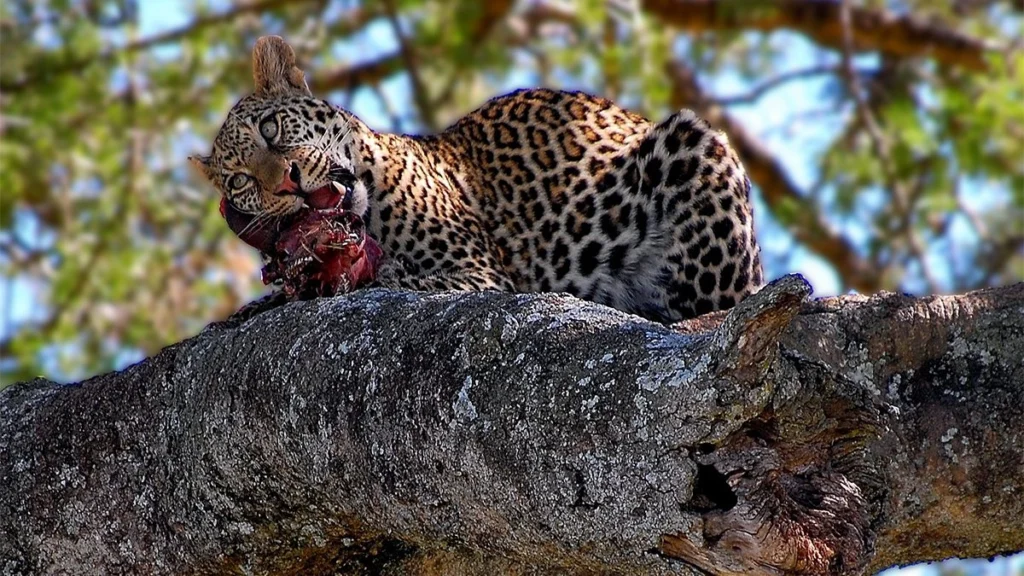
Where Is Serengeti National Park Located?
A Complete Guide to Its Location, Geography and Safari Experiences
Where Is Serengeti National Park Located? This is one of the most common questions among travellers planning a Tanzania Safari. Famous for its endless savannah plains, extraordinary wildlife and the spectacular Great Wildlife Migration, Serengeti National Park ranks among Africa’s most celebrated safari destinations. The Park lies in northern Tanzania, in East Africa, close to the Kenyan border. Its vast wilderness connects with several important conservation areas, creating one of the continent’s richest ecosystems.
Covering approximately 14,763 square kilometres, Serengeti National Park features open grasslands, rocky kopjes, acacia woodlands, river valleys and seasonal wetlands. These diverse habitats support an impressive range of wildlife throughout the year. Moreover, the park forms the heart of the Serengeti–Mara ecosystem, which supports the annual movement of millions of wildebeest, zebras and gazelles.
For travellers seeking unforgettable Tanzania Wildlife Safaris, understanding where Serengeti National Park is located helps with choosing the right safari route, accommodation and travel season. At Ovacado Adventures Africa Ltd, we help visitors plan rewarding Serengeti Wildlife Safaris through carefully arranged journeys, experienced guides and comfortable safari accommodation.
Where Is Serengeti National Park Located in Tanzania?
Serengeti National Park is located in north-central Tanzania, within the country’s northern safari circuit. The park stretches across parts of the Mara and Simiyu administrative regions and reaches towards the border with Kenya. Its northern boundary connects with Kenya’s Maasai Mara National Reserve, while the Ngorongoro Conservation Area lies along its southeastern side.
This strategic location makes Serengeti National Park an essential destination for travellers exploring northern Tanzania. In addition, its position allows visitors to combine a Serengeti Safari with other famous attractions, including Ngorongoro Crater, Tarangire National Park and Lake Manyara National Park.
The park also lies west of Arusha, the main starting point for many northern Tanzania Safaris. Travellers can reach Serengeti by road or domestic flight, depending on their schedule, budget and preferred safari experience.
Understanding the Geography and Size of Serengeti National Park
A Vast Landscape of Grasslands and Woodlands
Serengeti National Park covers approximately 14,763 square kilometres, making it one of Tanzania’s largest and most important protected wildlife areas. Its name comes from the Maasai word Siringet, which describes an extensive place where the land stretches towards the horizon.
The landscape changes across different parts of the park. The southern plains feature wide, open grasslands that provide important grazing grounds for wildebeest and zebras. Meanwhile, central Serengeti contains rocky kopjes, river valleys and scattered woodlands that attract predators such as lions and leopards.
Further west, the landscape follows seasonal rivers and woodland habitats. Northern Serengeti features rolling hills, riverine forests and the famous Mara River. These different environments explain why Serengeti Guided Game Drives offer varied wildlife encounters throughout the year.
The Serengeti–Mara Ecosystem
Serengeti National Park forms part of the larger Serengeti–Mara ecosystem, which extends into Kenya’s Maasai Mara. This ecological landscape allows wildlife to move across national borders in search of fresh grazing, water and suitable breeding grounds.
The Serengeti Great Migration represents the most famous example of this natural movement. Around 1.5 million wildebeest, accompanied by large numbers of zebras and gazelles, move through the ecosystem in response to seasonal rainfall and grass availability. However, the herds do not follow a fixed calendar, so their exact location changes from year to year.
Neighbouring Conservation Areas Around Serengeti National Park
Ngorongoro Conservation Area
The Ngorongoro Conservation Area lies southeast of Serengeti National Park and provides an excellent extension to a northern Tanzania safari. Its famous Ngorongoro Crater supports a remarkable concentration of wildlife, including lions, elephants, buffaloes and the endangered black rhinoceros.
Travellers can combine game drives in Serengeti with a crater safari for a more diverse Tanzania Wildlife Safari. The route also offers opportunities to appreciate the region’s volcanic landscapes and Maasai pastoral heritage.
Maasai Mara National Reserve in Kenya
To the north, Serengeti National Park connects with Kenya’s Maasai Mara National Reserve. Together, these protected landscapes support the annual Great Wildlife Migration, one of the world’s most remarkable wildlife spectacles.
The northern Serengeti becomes particularly important when wildebeest herds approach the Mara River. Visitors may witness dramatic river crossings during the migration season, although crossings depend on animal movement and natural conditions. A well-planned Serengeti Safari can therefore include several days in the northern region during the appropriate season.
Lake Victoria and the Western Landscape
Lake Victoria lies west of Serengeti National Park, beyond the wider surrounding landscape. The lake forms an important geographical feature of the region and contributes to the broader ecological setting of northwestern Tanzania. Visitors exploring western Serengeti can enjoy a different atmosphere from the open plains, with river systems, woodland and varied wildlife habitats.
How to Get to Serengeti National Park
Travelling by Road from Arusha
Arusha serves as a major gateway for Tanzania Safaris. Visitors can travel from Arusha towards the Serengeti through the northern safari circuit, often combining the journey with stops at Lake Manyara or Ngorongoro Conservation Area.
Road transfers allow travellers to appreciate changing landscapes and enjoy additional wildlife experiences along the way. However, driving distances can be considerable, and journey times depend on the selected route, road conditions and planned stops.
Flying into Serengeti National Park
Travellers who prefer to save time can take a domestic flight from Arusha or another regional airport to one of Serengeti’s airstrips. Several airstrips serve different areas of the park, including central, northern and southern Serengeti.
A fly-in Serengeti Safari works particularly well for luxury travellers, families and visitors with limited time. Your chosen airstrip should match your accommodation and planned wildlife activities to reduce unnecessary transfers.
Best Places to Stay and Cultural Experiences Around Serengeti
Choosing Accommodation in the Right Region
Accommodation plays an important role in a successful Serengeti Safari. Central Serengeti offers convenient access to wildlife-rich areas, while northern camps provide a strategic base during the migration season. Southern accommodation works well for visitors interested in the calving season.
Options include Serengeti Serena Safari Lodge, Four Seasons Safari Lodge Serengeti, One Nature Nyaruswiga and seasonal mobile tented camps. Each property offers a different atmosphere, comfort level and location. Always select accommodation according to your travel dates, budget and preferred safari region.
Discovering Maasai Culture
Beyond wildlife viewing, visitors can explore the cultural heritage of communities living around the wider Serengeti region. Depending on the location and available community partnerships, travellers may arrange respectful visits to Maasai communities near their accommodation.
These experiences can introduce visitors to traditional beadwork, local crafts, pastoral traditions, storytelling, music and dance. Some community visits also provide opportunities to learn about livestock keeping and the relationship between local livelihoods and the surrounding environment.
Cultural activities do not automatically form part of every lodge stay. Therefore, arrange them in advance through your safari operator and choose experiences that respect community consent, local customs and fair payment for participants.
Why Visit Serengeti National Park?
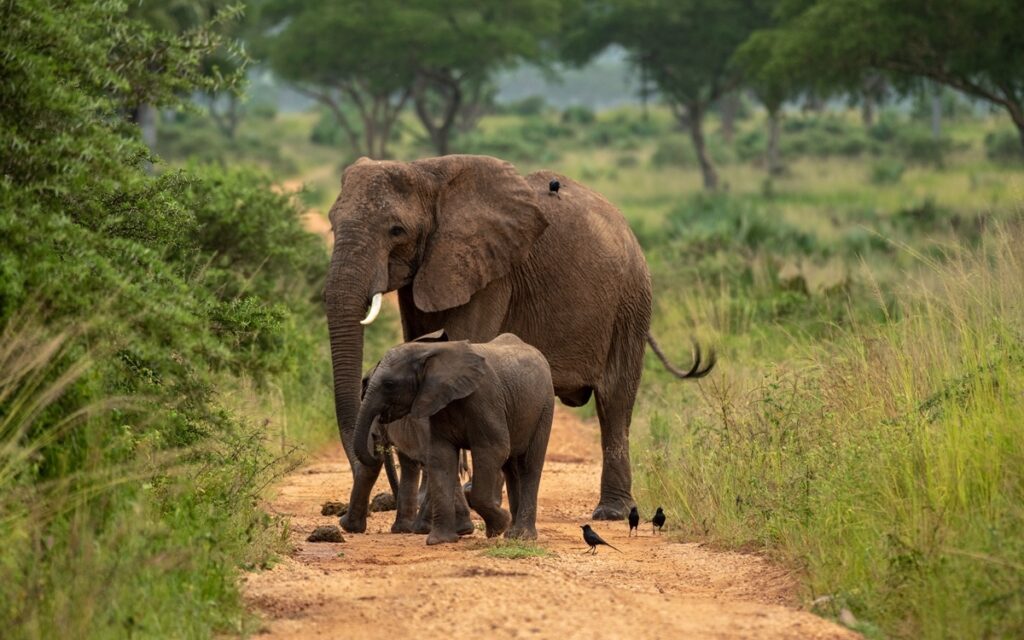
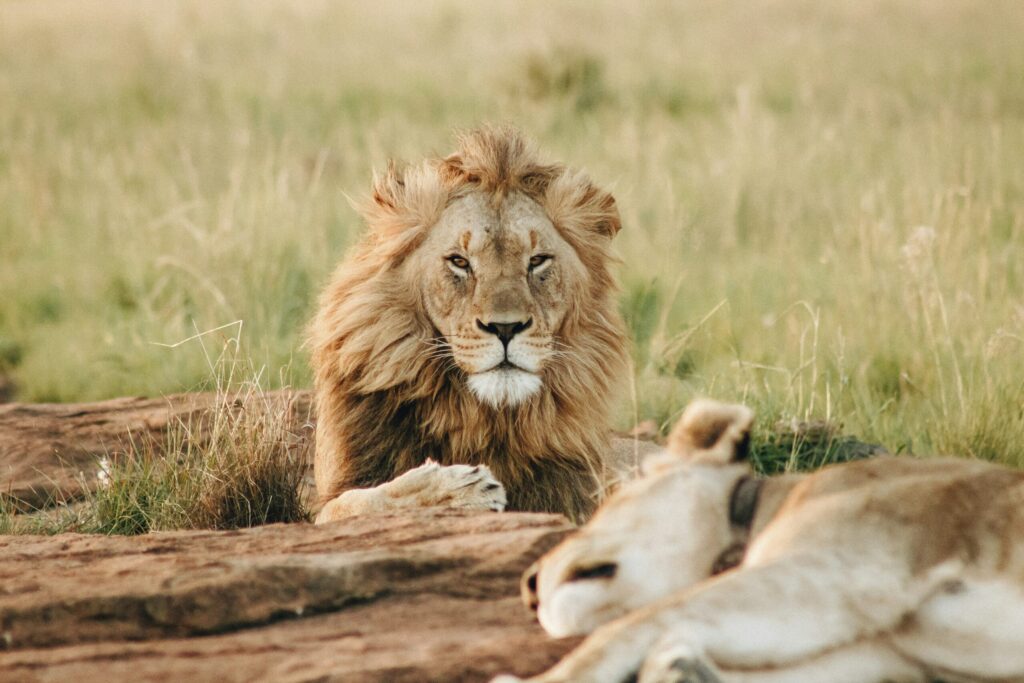
Serengeti National Park offers far more than a famous migration. Visitors can enjoy year-round game drives, excellent predator viewing, birdwatching, scenic landscapes and memorable photographic opportunities. Lions, elephants, giraffes, zebras, buffaloes, cheetahs and numerous antelope species inhabit different sections of the park.
Furthermore, a Serengeti Family Safari can provide an enriching holiday for parents and children, with private game drives, comfortable accommodation and educational wildlife experiences. Families should confirm lodge age policies and activity requirements before booking.
For couples, photographers and first-time African safari travellers, Serengeti offers an exceptional introduction to Tanzania’s natural heritage. Combining the park with Ngorongoro, Tarangire or Zanzibar can create an even more rewarding holiday.
Plan Your Serengeti Safari with Ovacado Adventures Africa Ltd
Understanding where Serengeti National Park is located helps you make better decisions about travel routes, accommodation and safari timing. Its position in northern Tanzania, close to Kenya’s Maasai Mara and the Ngorongoro Conservation Area, makes it one of the best destinations for exploring East Africa’s wildlife and landscapes.
At Ovacado Adventures Africa Ltd, we create personalised Tanzania Safaris that match each traveller’s interests, schedule and budget. Whether you want to follow the Serengeti Great Migration, enjoy private Serengeti Guided Game Drives, plan a Serengeti Family Safari or experience a luxury wildlife holiday, our team can help organise a memorable journey.
Contact Ovacado Adventures Africa Ltd to start planning your Serengeti Wildlife Safari and discover the remarkable wilderness of northern Tanzania.