Serengeti Great Wildebeest Migration
November 19, 2026
Serengeti National Park Map
November 20, 2026
How Big Is Serengeti National Park
Exploring the Size, Wildlife and Great Serengeti Ecosystem
How Big Is Serengeti National Park? This question often comes up among travellers planning a Tanzania Safari, especially those hoping to explore Africa’s most famous wildlife destination. Located in northern Tanzania, Serengeti National Park covers approximately 14,763 square kilometres (5,700 square miles). This enormous wilderness features endless grasslands, acacia woodlands, rocky hills, seasonal rivers and diverse wildlife habitats.
However, the park’s importance extends beyond its impressive size. Serengeti forms the heart of a much larger ecological landscape that supports the spectacular Great Wildlife Migration. Millions of wildebeest, zebras and gazelles move across the Serengeti–Mara ecosystem each year in search of fresh grazing and water. As a result, the park offers some of the most rewarding wildlife viewing opportunities in Africa.
For international visitors, the size of Serengeti National Park creates opportunities to explore different safari regions, enjoy extended game drives and discover varied landscapes. Whether you are planning luxury Tanzania Wildlife Safaris, a private Serengeti Safari or a Serengeti Family Safari, understanding the park’s size helps you choose the right route and accommodation.
At Ovacado Adventures Africa Ltd, we help travellers discover this remarkable destination through well-planned safari experiences, knowledgeable guides and personalised travel arrangements.
How Many Square Kilometres Does Serengeti National Park Cover?
Understanding the Park’s Total Area
Serengeti National Park covers approximately 14,763 square kilometres, making it one of the largest protected national parks in Tanzania. To understand its scale, the park is larger than many cities and small countries. Its vast landscape provides enough space for large wildlife populations to move naturally across different habitats.
The park contains several geographical features, including open savannah plains, granite kopjes, river valleys, wooded areas and seasonal wetlands. Each habitat supports different wildlife species and contributes to the Serengeti’s exceptional biodiversity.
For example, the southern plains provide important grazing grounds for wildebeest and zebras, particularly during the calving season. Meanwhile, the central Seronera region attracts lions, leopards, elephants and other animals throughout the year. Further north, the Mara River landscape offers important migration routes and opportunities to observe wildlife near the riverbanks.
Consequently, the size of Serengeti National Park gives visitors a wide range of safari experiences rather than one single wildlife-viewing environment.
How Large Is the Wider Serengeti–Mara Ecosystem
A Wildlife Landscape Beyond National Park Boundaries
The wider Serengeti–Mara ecosystem covers approximately 30,000 square kilometres, although its exact boundaries depend on the ecological definition used. This larger landscape includes Serengeti National Park, Kenya’s Maasai Mara National Reserve and several surrounding conservation areas and wildlife dispersal zones.
The ecosystem supports one of the world’s most impressive wildlife movements. Wildebeest, zebras and gazelles travel across the landscape in response to seasonal rainfall and the availability of fresh grass. Their movement connects different habitats and supports predators such as lions, cheetahs, leopards and hyenas.
The Ngorongoro Conservation Area lies southeast of Serengeti National Park and forms an important part of the wider northern Tanzania conservation landscape. However, it has its own protected-area status and should not be confused with the national park itself.
For safari travellers, this wider ecosystem creates opportunities to combine several destinations in one holiday. A well-designed Tanzania Safari can include Serengeti, Ngorongoro Crater, Tarangire National Park and Lake Manyara National Park.
Is Serengeti National Park the Largest National Park in Tanzania?
Understanding Its Ranking
Although Serengeti National Park ranks among Tanzania’s largest protected areas, it is not the country’s largest national park. Nyerere National Park, in southern Tanzania, holds that distinction, covering approximately 30,893 square kilometres.
Serengeti National Park therefore ranks below Nyerere in total area. Nevertheless, its international reputation comes from its remarkable wildlife populations, open savannah landscapes and the annual Great Wildlife Migration.
The difference in size does not make one destination better than the other. Instead, each park offers a distinct safari experience. Nyerere provides vast wilderness, river-based activities in selected areas and opportunities to explore southern Tanzania. In contrast, Serengeti offers exceptional opportunities for classic savannah game drives, predator viewing and migration experiences.
For visitors planning their first Tanzania Wildlife Safari, Serengeti remains an outstanding choice because of its diverse wildlife, established safari infrastructure and range of accommodation options.
Why Does the Size of Serengeti National Park Matter for Wildlife Safaris?
Space for the Great Serengeti Migration
The enormous size of Serengeti National Park allows wildlife to follow natural seasonal movements across extensive grazing areas. The Serengeti Great Migration depends on rainfall patterns, fresh grass and access to water. Therefore, the herds move between different parts of the ecosystem throughout the year.
During the early months of the year, large herds often gather around the southern plains and Ndutu area for calving. As the seasons change, they gradually move west and north. Later in the year, some herds reach northern Serengeti, where the Mara River forms part of their migration route.
However, migration timing changes from year to year. River crossings also depend on natural conditions and animal behaviour, so no responsible safari operator should guarantee a crossing on a particular day.
Diverse Wildlife Habitats
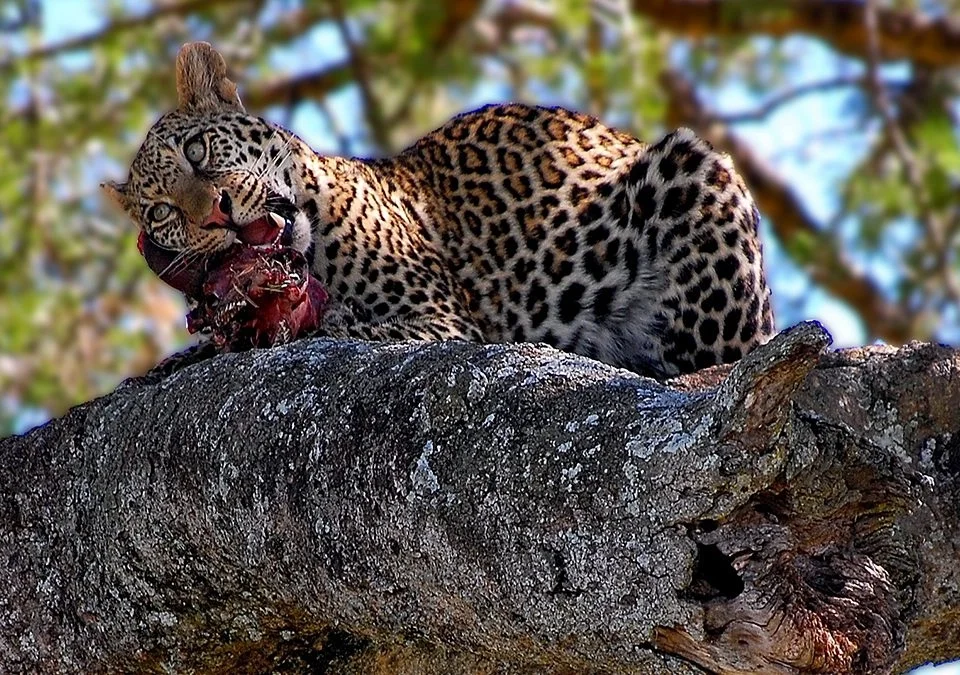
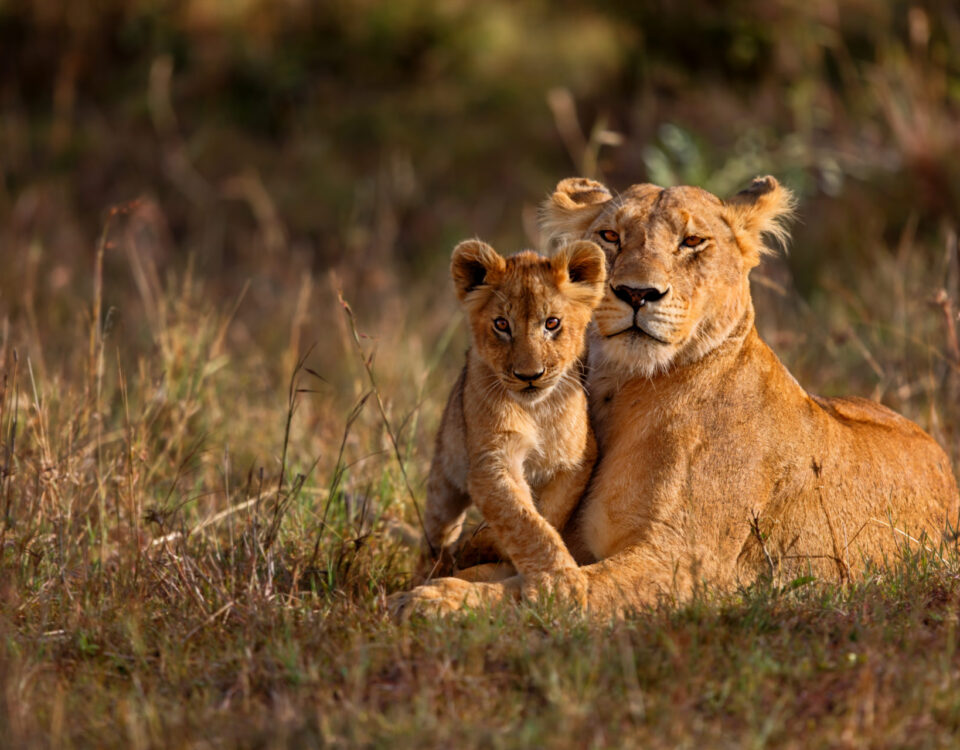
The park’s size also supports a remarkable variety of wildlife. Visitors can encounter lions, elephants, buffaloes, giraffes, zebras, wildebeest, cheetahs, hyenas and numerous antelope species. Leopards often rest in trees near riverine woodland, while elephants move through areas with suitable vegetation and water.
Birdwatchers also enjoy the park’s rich birdlife, which includes eagles, vultures, ostriches, secretary birds and numerous smaller species.
As a result, Serengeti Wildlife Safaris offer excellent opportunities for wildlife photography, birdwatching and guided nature experiences.
How Many Days Do You Need to Explore Serengeti National Park
Choosing the Right Safari Duration
Because Serengeti National Park covers such a large area, visitors should allow enough time to explore its different regions. A short safari of two or three days can provide rewarding wildlife encounters, particularly when travellers focus on central Serengeti or a specific migration area.
However, four to six days allow more flexibility. Visitors can explore central Serengeti, travel towards the northern or southern regions when appropriate, and enjoy several Serengeti Guided Game Drives without rushing between destinations.
A longer itinerary also works well for families, photographers and travellers seeking a more relaxed experience. Private vehicles allow guests to adjust game-drive schedules, take photography breaks and spend more time observing wildlife.
For a broader northern circuit adventure, travellers can combine Serengeti with Ngorongoro Crater, Tarangire and Lake Manyara. The best itinerary depends on travel dates, wildlife interests, accommodation preferences and available time.
Where to Stay and Enjoy Cultural Experiences Around Serengeti
Safari Lodges and Tented Camps
The best accommodation depends on which part of Serengeti National Park you want to explore. Central Serengeti offers convenient access to the Seronera Valley, while northern camps provide a strategic base during the migration season. Southern accommodation suits travellers interested in the calving season.
Popular options include Four Seasons Safari Lodge Serengeti, Serengeti Serena Safari Lodge and One Nature Nyaruswiga. Seasonal mobile tented camps also offer excellent access to changing migration locations.
Discovering Maasai Culture
A Serengeti Safari can also introduce visitors to the cultural heritage of communities living around the wider region. Depending on the lodge location and available community partnerships, travellers may arrange respectful Maasai cultural visits.
These experiences can include traditional beadwork demonstrations, local craft workshops, storytelling, music, dance and introductions to pastoral traditions. Visitors may also learn about traditional livestock keeping and the relationship between local communities and the surrounding wildlife landscape.
Always arrange cultural visits through responsible local partners. Community consent, fair payment and respect for local customs should guide every experience. Not every lodge provides these activities directly, so confirm arrangements before travel.
Plan Your Serengeti Wildlife Safari with Ovacado Adventures Africa Ltd
So, how big is Serengeti National Park? Its approximately 14,763 square kilometres make it one of Tanzania’s most remarkable wildlife destinations. More importantly, its connection to the wider Serengeti–Mara ecosystem supports extraordinary wildlife movements and diverse safari experiences.
At Ovacado Adventures Africa Ltd, we organise personalised Tanzania Safaris for couples, families, photographers and independent travellers. Whether you want to follow the Great Wildlife Migration, explore the Big Five, enjoy luxury accommodation or experience a private Serengeti Safari, our team can help you select the right destinations and travel dates.
Contact Ovacado Adventures Africa Ltd to plan your journey through Serengeti National Park and experience the extraordinary wildlife heritage of Tanzania.
Best Selling Africa Holidays & Adventures. 2027/2028 Updates
- 3 Days Murchison Falls Vacation Including Big 5 Sighting
- 3 Days Rwanda Gorilla Trekking and Golden Monkey Safari
- 4 Days Uganda Gorilla Trekking and Wildlife Safari
- 5 Days Rwanda Primates Safaris
- 22-Day Uganda Adventure Safari
- 18-Day Best of East Africa Safari
- 17 Days Birds & Wildlife Expedition
- 16-Day Uganda Highlights Adventure
- 14-Day Uganda & Rwanda Primate Tour
- 13-Day Explore Uganda & Rwanda Safari
- 12-Day Big Cat Adventure Uganda Safari
- 12-Day Gorilla & Primate Track Safari
- 11-Day Primate, Tree Climbing Lions and Wildlife Safari
- 11-Day Best of Gorillas & Chimpanzee Tracking Safari
- 10 Days Best of Uganda Exclusive Safari Experience
- 3-Day Rwanda Gorilla & Genocide Tour Safari
- 5-Day Big 5 Kidepo Safari
- 9-Day Best of Uganda and Rwanda Safari
- 9 Days Uganda Primate and Wildlife Safari
- 7 Days Uganda and Rwanda Flying Safari
- 7-Day One Week Budget Tour Rwanda