Is Serengeti National Park Worth Visiting?
November 18, 2026
Serengeti National Park Entrance Fees
November 19, 2026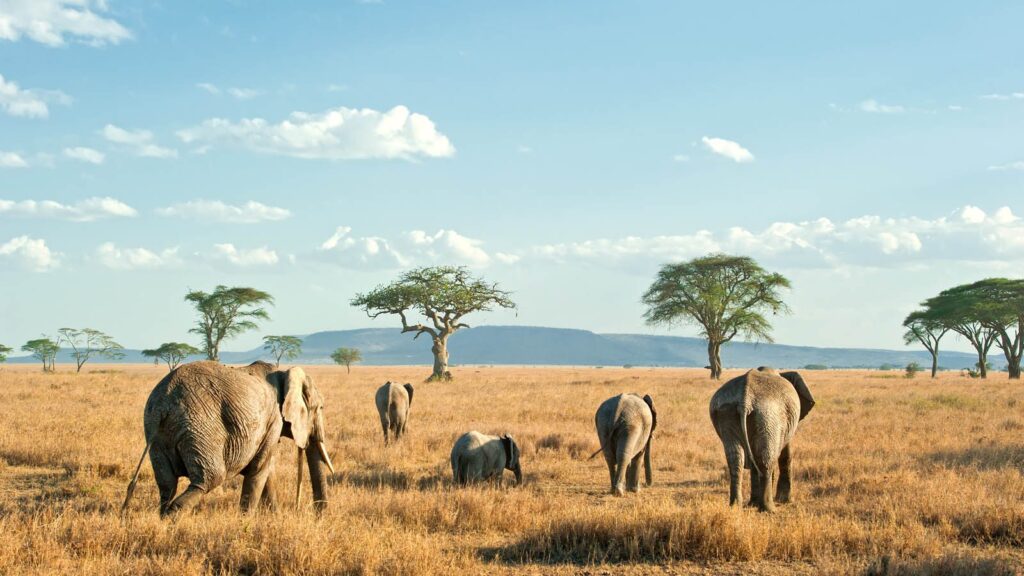
History of Serengeti National Park
From Maasai Heritage to a World-Famous Wildlife Destination
The History of Serengeti National Park reflects centuries of human heritage, traditional pastoralism, wildlife conservation and international recognition. Located in northern Tanzania, Serengeti National Park ranks among Africa’s most celebrated protected areas. Its endless grasslands, diverse wildlife and spectacular Great Wildebeest Migration attract visitors from across the world. However, long before international travellers discovered its beauty, local communities lived across these plains, following traditional lifestyles closely connected to the land and its wildlife.
The name Serengeti comes from the Maasai word Siringet, which describes an extensive landscape where the land stretches towards the horizon. This expression captures the park’s wide-open grasslands and impressive natural scenery. Over time, the region experienced major changes through European exploration, colonial conservation policies and the establishment of formal protected areas.
Today, the History of Serengeti National Park provides an important foundation for understanding Tanzania’s conservation heritage. The park protects approximately 14,763 square kilometres of diverse habitats and forms part of the wider Serengeti–Mara ecosystem. At Ovacado Adventures Africa Ltd, we encourage travellers to explore not only the wildlife but also the historical and cultural stories that make a Serengeti Safari meaningful.
Indigenous Heritage: The Maasai People and the Meaning of Serengeti
Life on the Endless Plains
Long before Serengeti National Park became a protected wildlife destination, the wider region supported indigenous communities, including the Maasai. Their pastoral traditions shaped life across the grasslands, where cattle, goats and sheep provided food, wealth and social identity.
The Maasai developed a close relationship with the natural environment. Their seasonal movements helped them find pasture and water for their livestock, while their knowledge of local landscapes supported their traditional way of life. Cattle also held deep cultural importance, influencing ceremonies, family relationships and community traditions.
The name Siringet reflects this connection with the landscape. Its meaning, often translated as “the place where the land runs on forever”, describes the broad horizons that define the region.
Understanding this indigenous heritage adds depth to the History of Serengeti National Park. The area was never simply an empty wilderness waiting for conservation. Instead, it formed part of a living cultural landscape with generations of human history.
European Exploration of the Serengeti Region
Early European Encounters
European exploration brought new international attention to the Serengeti region during the late nineteenth and early twentieth centuries. Austrian explorer Oscar Baumann travelled through the area in 1892, becoming one of the earliest documented European explorers to visit the region.
Later, American writer and hunter Stewart Edward White visited in 1913. His experiences contributed to growing European and American interest in East Africa’s wildlife and hunting opportunities.
During this period, European hunting activities placed pressure on several wildlife populations. Lions and other large mammals faced increasing threats, while changing colonial land policies began to influence how authorities viewed the region.
These early encounters form an important chapter in the History of Serengeti National Park. They also help explain the gradual shift from unrestricted hunting towards formal wildlife protection.
The First Wildlife Protection Measures in 1921
Early Conservation Around Seronera
In 1921, the British colonial administration established a small game reserve around the Seronera area. The initial reserve covered approximately 800 acres and aimed to reduce excessive lion hunting.
This early conservation initiative marked an important step towards protecting the region’s wildlife. Authorities later expanded the protected area in 1929, creating a larger space for wildlife management and conservation.
However, early protection policies still reflected colonial priorities. Conservation decisions often focused on controlling hunting and protecting selected animal populations rather than balancing wildlife protection with the rights and needs of local communities.
The History of Serengeti National Park therefore includes both important conservation achievements and difficult social changes. Understanding these different perspectives helps travellers appreciate the complexity of Africa’s conservation history.
Establishment of Serengeti National Park
From Game Reserve to National Park
The Serengeti received national park status in 1951, during the final years of British administration in Tanganyika. This decision established a formal foundation for long-term wildlife protection across the region.
The protected landscape became an important conservation area because of its large wildlife populations, natural grasslands and seasonal animal movements. Its open plains supported enormous herds of wildebeest and zebras, while predators such as lions, cheetahs and hyenas depended on these grazing animals for food.
In 1959, major boundary changes created the separate Ngorongoro Conservation Area to the southeast. These changes formed part of wider conservation and land-management decisions that also involved the relocation of Maasai residents from the national park area.
This period remains a significant and sensitive part of the History of Serengeti National Park. The creation of protected areas brought long-term benefits for wildlife conservation, but it also involved serious consequences for communities whose traditional land use changed.
The Maasai and the Creation of Ngorongoro Conservation Area
A Complex Chapter in Conservation History
The establishment of Ngorongoro Conservation Area in 1959 changed the management of land and human settlement in the wider region. Colonial authorities created a different conservation arrangement that allowed certain forms of traditional pastoralism alongside wildlife protection.
The creation of this conservation area followed the separation of land from the Serengeti National Park. However, the process involved the displacement of Maasai communities from the national park, with significant social and cultural consequences.
Today, Ngorongoro Conservation Area represents a distinctive approach to conservation, where wildlife protection, tourism and human settlement exist within the same wider landscape. The area also provides opportunities for visitors to learn about Maasai heritage through responsible community-led cultural experiences.
For travellers exploring the History of Serengeti National Park, understanding this chapter offers a more complete picture of the relationship between conservation, indigenous rights and land management in East Africa.
How Serengeti Became Famous Around the World
The Influence of Bernhard and Michael Grzimek
The Serengeti gained international recognition during the 1950s through the conservation work of German zoologist Bernhard Grzimek and his son Michael Grzimek.
Their research, book and documentary film, Serengeti Shall Not Die, introduced international audiences to the importance of protecting the Serengeti ecosystem. The 1959 film received an Academy Award for Best Documentary Feature and helped raise awareness about wildlife conservation in East Africa.
Their work highlighted the importance of large natural landscapes for migrating animals. It also encouraged international interest in protecting the ecological connections that support the Great Wildebeest Migration.
As a result, the Serengeti became more than a wildlife destination. It developed into a symbol of African conservation and the importance of protecting natural ecosystems for future generations.
UNESCO World Heritage Recognition and Modern Conservation
Protecting an Important Natural Heritage Site
Serengeti National Park received UNESCO World Heritage status in 1981 in recognition of its outstanding natural value. Its exceptional wildlife populations, ecological processes and annual migration contribute to its international conservation importance.
Today, the Tanzania National Parks Authority (TANAPA) manages the national park. Its responsibilities include wildlife protection, tourism management, park infrastructure and conservation programmes.
Modern conservation efforts address several challenges, including poaching, habitat protection, human-wildlife conflict around the wider ecosystem and the effects of environmental change. Tourism also contributes to conservation funding through park fees and supports employment across the regional hospitality and safari sectors.
Visitors can support responsible tourism by following park rules, respecting wildlife distances, avoiding littering and choosing operators who value conservation and local communities.
Experience the History and Culture of Serengeti on Safari
Beyond Wildlife: Cultural Experiences Around Safari Lodges
A Serengeti Safari offers opportunities to explore the region’s cultural heritage alongside its wildlife. Depending on your accommodation and available community partnerships, you can arrange respectful visits to Maasai communities around the wider Serengeti region.
Experiences may include traditional beadwork demonstrations, jewellery making, storytelling, local crafts, music and dance. Visitors can also learn about pastoral traditions, traditional homes and the cultural importance of cattle.
Lodges such as Serengeti Serena Safari Lodge, Four Seasons Safari Lodge Serengeti and selected tented camps can help guests arrange suitable cultural activities through local partners. However, these experiences do not automatically form part of every accommodation package. Confirm availability, location, costs and community consent before travel.
These encounters add another dimension to Serengeti Wildlife Safaris. They also help visitors understand the people and traditions connected to the wider landscape.
Discover Serengeti National Park with Ovacado Adventures Africa Ltd
The History of Serengeti National Park tells a story of indigenous heritage, colonial conservation, difficult social changes and international efforts to protect one of Africa’s most important wildlife ecosystems. From the traditional Maasai pastoral landscape to UNESCO World Heritage recognition, every chapter contributes to the park’s identity today.
At Ovacado Adventures Africa Ltd, we create personalised Tanzania Safaris that combine wildlife exploration, cultural discovery and comfortable accommodation. Whether you want to experience the Serengeti Great Migration, explore the historic Seronera region, enjoy private Serengeti Guided Game Drives or combine Tanzania with Uganda and Rwanda, our team can help you plan a rewarding African adventure.
Contact Ovacado Adventures Africa Ltd to discover the natural and cultural heritage of Serengeti National Park.
Best Selling Africa Holidays & Adventures. 2027/2028 Updates
- 3 Days Murchison Falls Vacation Including Big 5 Sighting
- 3 Days Rwanda Gorilla Trekking and Golden Monkey Safari
- 4 Days Uganda Gorilla Trekking and Wildlife Safari
- 5 Days Rwanda Primates Safaris
- 22-Day Uganda Adventure Safari
- 18-Day Best of East Africa Safari
- 17 Days Birds & Wildlife Expedition
- 16-Day Uganda Highlights Adventure
- 14-Day Uganda & Rwanda Primate Tour
- 13-Day Explore Uganda & Rwanda Safari
- 12-Day Big Cat Adventure Uganda Safari
- 12-Day Gorilla & Primate Track Safari
- 11-Day Primate, Tree Climbing Lions and Wildlife Safari
- 11-Day Best of Gorillas & Chimpanzee Tracking Safari
- 10 Days Best of Uganda Exclusive Safari Experience
- 3-Day Rwanda Gorilla & Genocide Tour Safari
- 5-Day Big 5 Kidepo Safari
- 9-Day Best of Uganda and Rwanda Safari
- 9 Days Uganda Primate and Wildlife Safari
- 7 Days Uganda and Rwanda Flying Safari
- 7-Day One Week Budget Tour Rwanda